DIY vs. Professional Tree Trimming: What You Need to Know
Maintaining property landscapes requires attention to arboreal health. Overgrown branches pose hazards to roofs, power lines, and pedestrians. Property owners face a common dilemma when confronting overgrown foliage on residential lots. The decision involves choosing between personal labor and hiring a professional service. Both paths present distinct advantages and notable drawbacks. A clear understanding of the requirements ensures the best outcome for property aesthetics and personal well-being.
Arboreal maintenance is not a simple weekend chore. It demands specific knowledge of plant biology and structural integrity. Amateurs attempt these projects to save money, yet they ignore the inherent dangers. Contracting a tree trimming company guarantees expert execution while incurring a monetary cost. Examining the safety, financial, and practical aspects of tree management reveals which method suits specific residential situations. Understanding the labor scope prevents dangerous mistakes.
Assessing the Safety Risks of Branch Removal
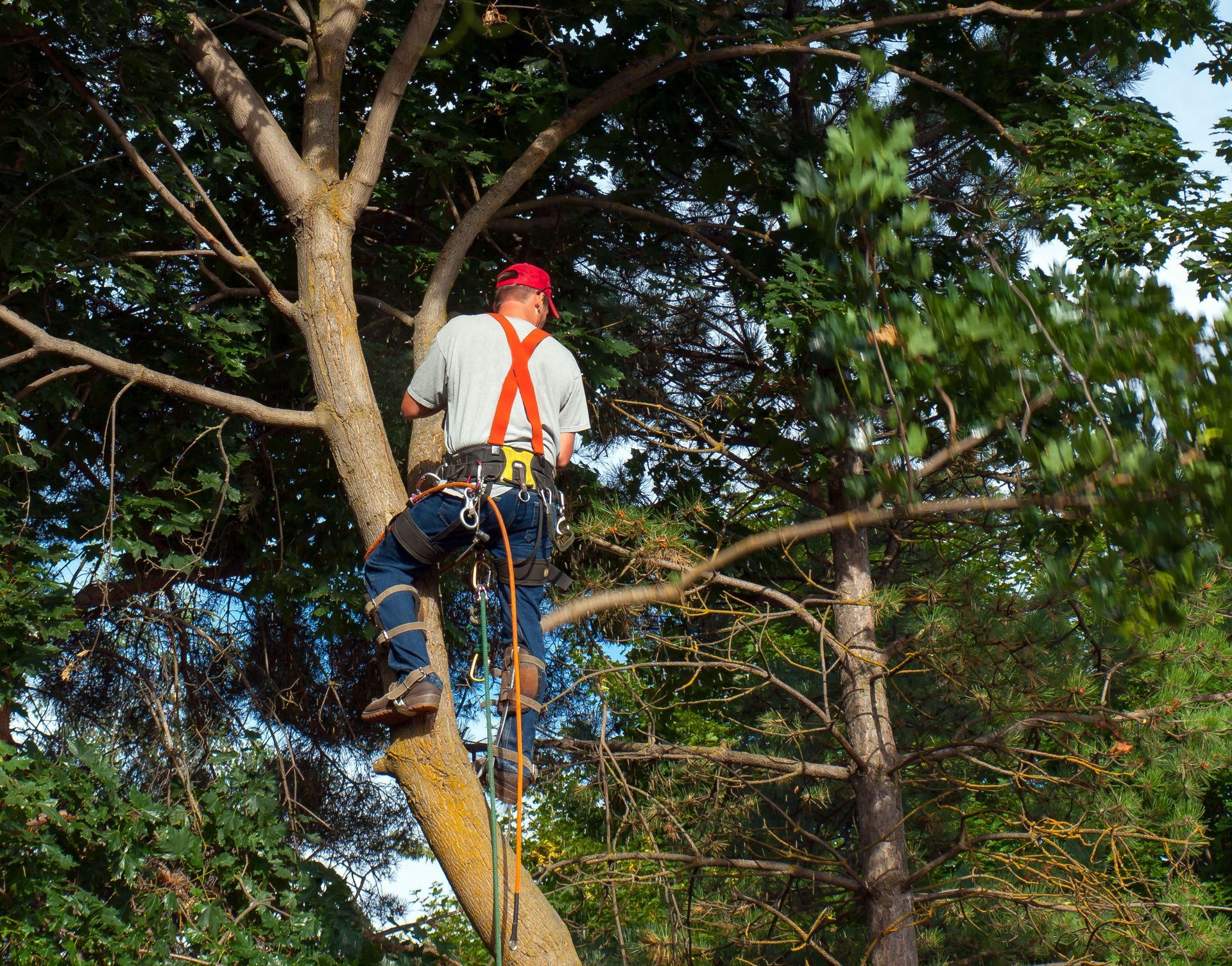
Safety remains the paramount concern during canopy maintenance. Working at elevated heights introduces severe fall hazards. Individuals using ladders on uneven ground face a high probability of instability and accidents. Branches hold immense weight, and improper cutting techniques cause unpredictable falls. A severed limb can swing toward the ladder, striking the worker or damaging nearby structures. The physics of falling timber turn minor miscalculations into grave physical threats.
Ground-level hazards present equal danger to amateur arborists. Falling debris threatens any person standing near the work zone. In addition, power lines hidden within thick foliage introduce electrocution risks. Contact with a live wire results in fatal consequences. A professional tree trimming company trains employees to navigate these electrical hazards with specialized insulating gear and strict protocol adherence. Protecting the surrounding environment requires extreme diligence and situational awareness.
Structural stability of the trunk dictates the entire approach. Diseased wood behaves in a different manner than healthy wood under the pressure of a saw. Rotting sections collapse without warning, plunging climbers to the ground. Identifying these weak points requires extensive experience and education in plant pathology. Novices lack the trained eye necessary to spot subtle signs of internal decay. Ignoring signs of rot invites disastrous structural failures.
Recognizing when a situation becomes unsalvageable is critical for property safety. At times, pruning is insufficient, and complete extraction becomes mandatory. According to Forbes, trees that are leaning more than 15% off of vertical plumb should be removed for safety reasons, even if they are in good health. Attempting such complex extractions without professional intervention invites catastrophic property damage and severe physical harm. Complete extraction requires deep arboreal expertise.
Evaluating the Financial Costs of Tree Maintenance
Budget constraints drive many individuals toward independent landscape projects. Purchasing a simple handsaw and a ladder seems inexpensive compared to professional quotes. Yet, the initial retail price of basic gear excludes the long-term expenses of arboreal errors. Improper cuts invite disease, which leads to plant death and subsequent removal fees. Independent labor appears cheap until mistakes occur. Paying for disaster recovery costs more than paying for the initial service.
The financial repercussions of accidents exceed professional service fees. A falling branch crushing a roof or shattering a window incurs massive repair bills. Medical expenses resulting from falls or equipment injuries bankrupt uninsured individuals. Hiring a tree trimming company transfers these liabilities away from the property owner. Professional services carry insurance policies to cover incidental damages. This financial shield protects the property owner from unpredictable landscaping catastrophes.
Time investment represents another hidden cost of independent projects. Amateurs spend hours researching techniques, purchasing gear, and executing the labor. The cleanup process demands additional time and effort. Renting a woodchipper or hauling debris to a municipal dump consumes entire weekends. People underestimate the sheer volume of waste generated by an individual pruning session. The loss of personal free time diminishes the value of perceived financial savings.
Professional services streamline the entire operation from start to finish. Crews arrive with adequate manpower to complete the job in a fraction of the time. The quote provided by a tree trimming company covers the labor, equipment, and comprehensive debris removal. The efficiency of a seasoned crew restores the property to a pristine state without draining the homeowner's schedule. Outsourcing the labor provides unparalleled peace of mind.
Understanding the Equipment Needs for Arboreal Care
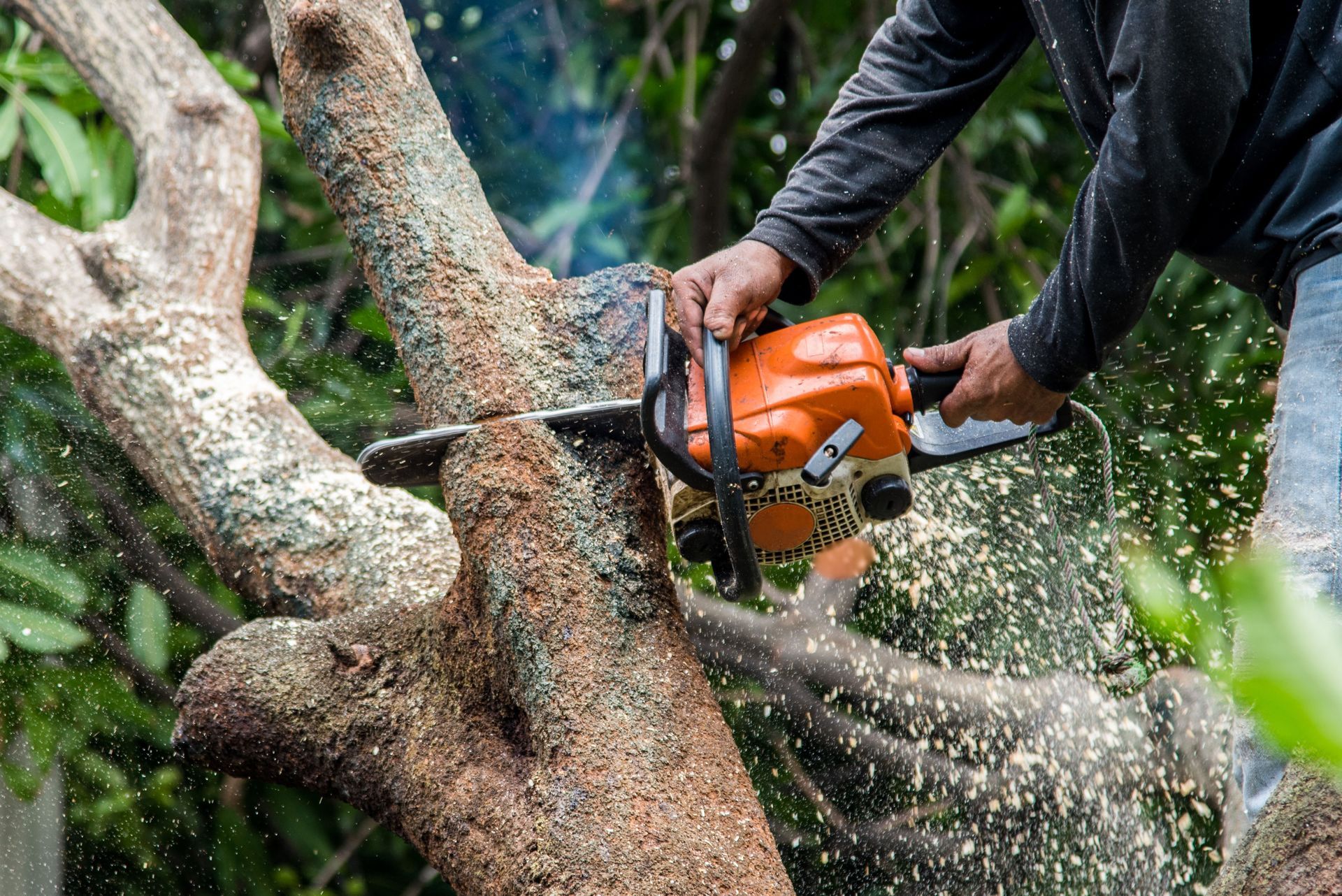
Proper execution requires specialized tools beyond a standard garage inventory. Chainsaws, pole pruners, rigging ropes, and climbing harnesses are essential for high-altitude work. Using inadequate tools leads to jagged cuts, which hinder the healing process of the bark. Retail equipment lacks the durability and power of commercial-grade machinery used by professionals. Attempting major branch removal with basic retail tools creates friction and slows the work.
Maintenance of these tools demands specific knowledge and regular attention. Chainsaw blades require precise sharpening to function without catching or kicking in reverse. A dull blade forces the user to exert extra pressure, increasing the risk of slips and severe lacerations. Commercial crews maintain their equipment to exacting standards, ensuring smooth operation during every phase of the project. Impeccable tool maintenance separates seasoned experts from weekend warriors.
Personal protective equipment forms the barrier between a minor slip and a life-altering injury. Hard hats, eye protection, ear defense, and cut-resistant chaps are non-negotiable safety items. The average homeowner neglects to purchase these items to reduce costs. A standard tree trimming company mandates the use of extensive safety gear for all crew members on the site. Without adequate protection, operators expose themselves to flying splinters and deafening noise.
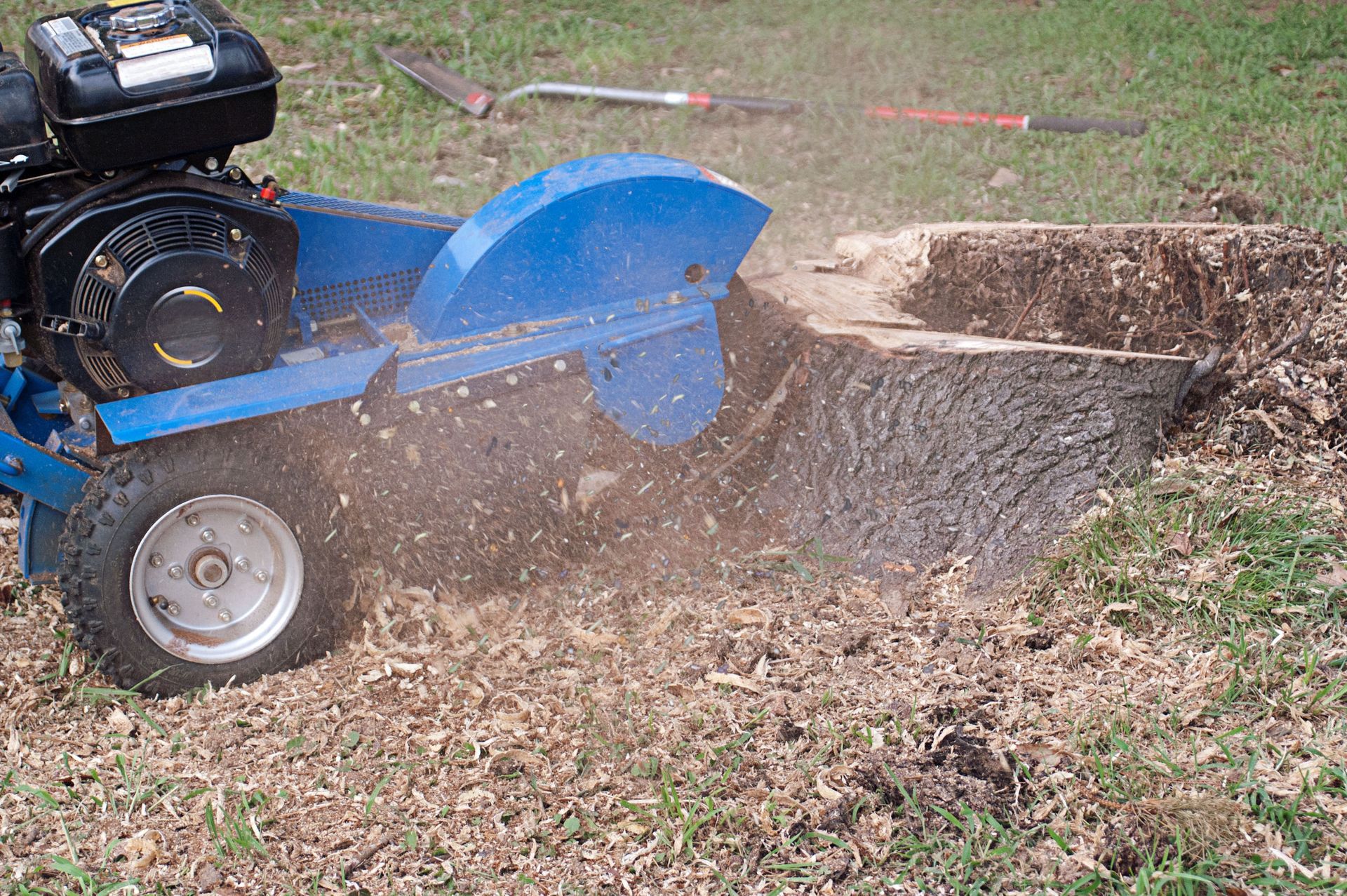
Heavy machinery handles the massive wood volume generated during the process. Bucket trucks elevate workers to difficult angles, while commercial chippers process thick branches into mulch. Cranes assist in lowering massive sections of wood to the ground without impact. Independent workers lack access to such machinery, making large-scale maintenance impossible for the average property owner to manage. Managing massive logs demands specialized vehicles engineered for heavy lifting.
Recognizing the Boundaries of Personal Landscaping Skills
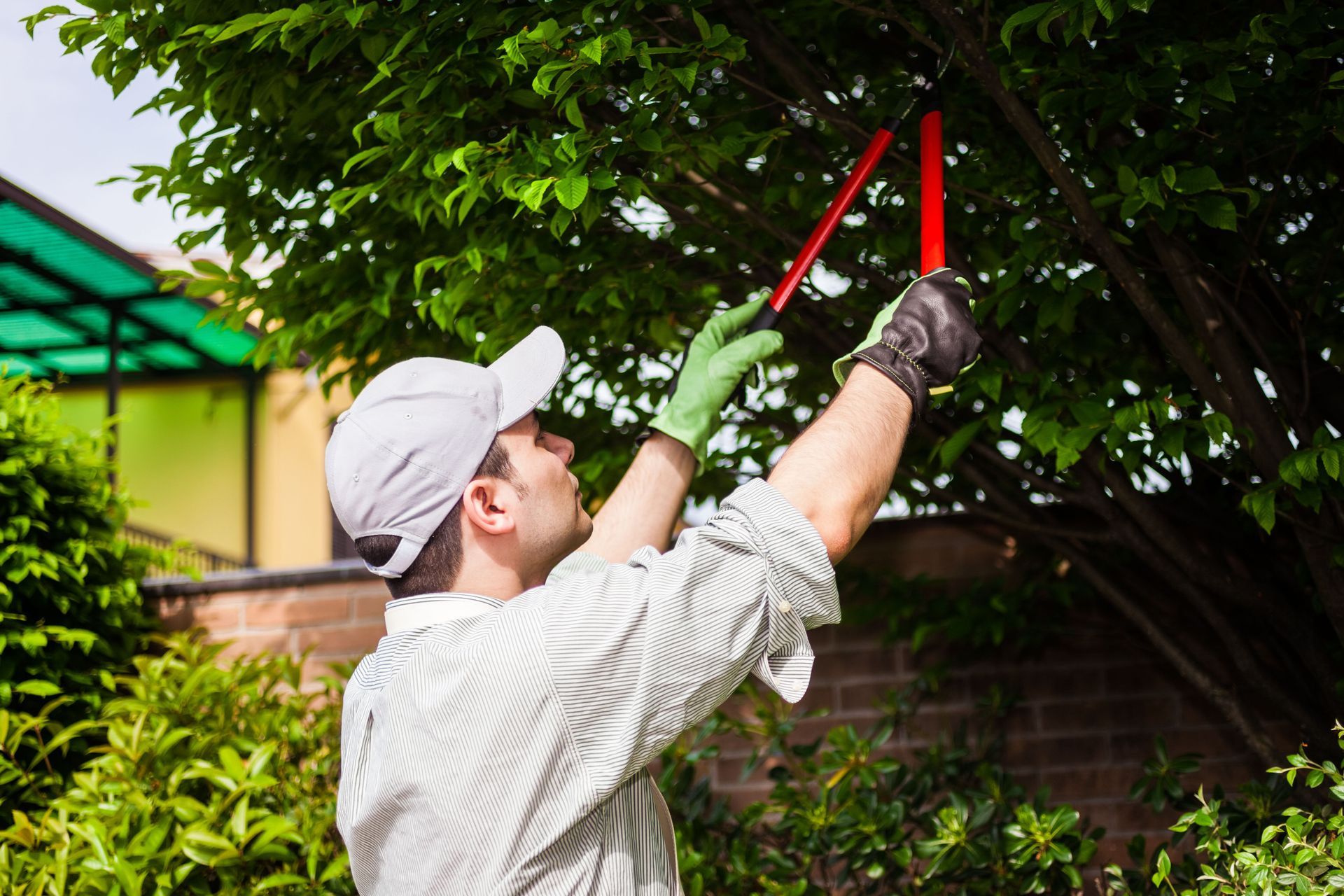
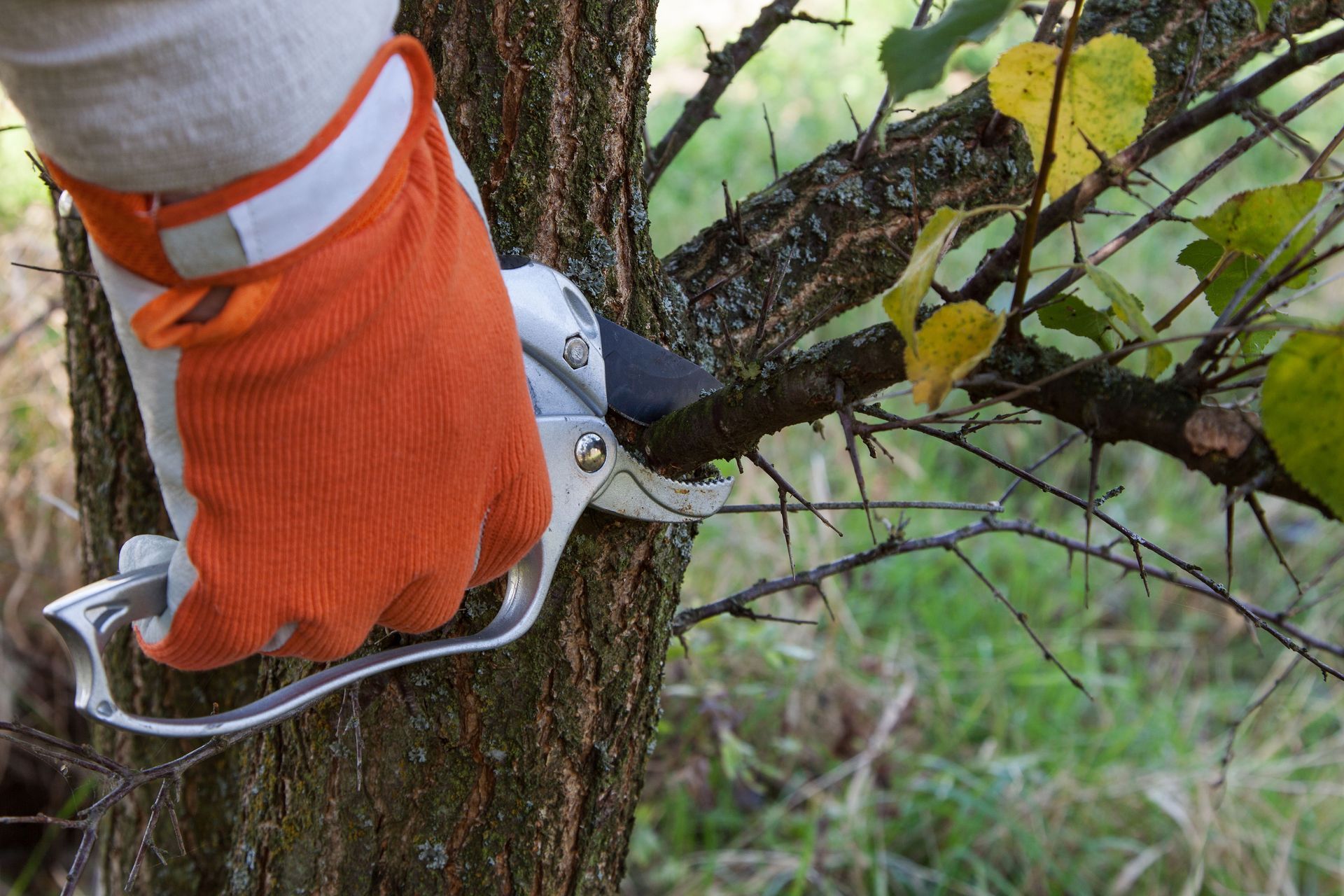
Skill limitations dictate the boundary between independent success and disaster. Pruning small, low-hanging branches with hand shears falls within the capability of most individuals. Ground-level aesthetics require minimal risk and standard gardening tools. Individuals accomplish these minor tasks with minimal instruction and basic physical effort. The danger arises when ambition exceeds experience and capability. Acknowledging these boundaries prevents disastrous accidents during routine property upkeep and seasonal landscaping.
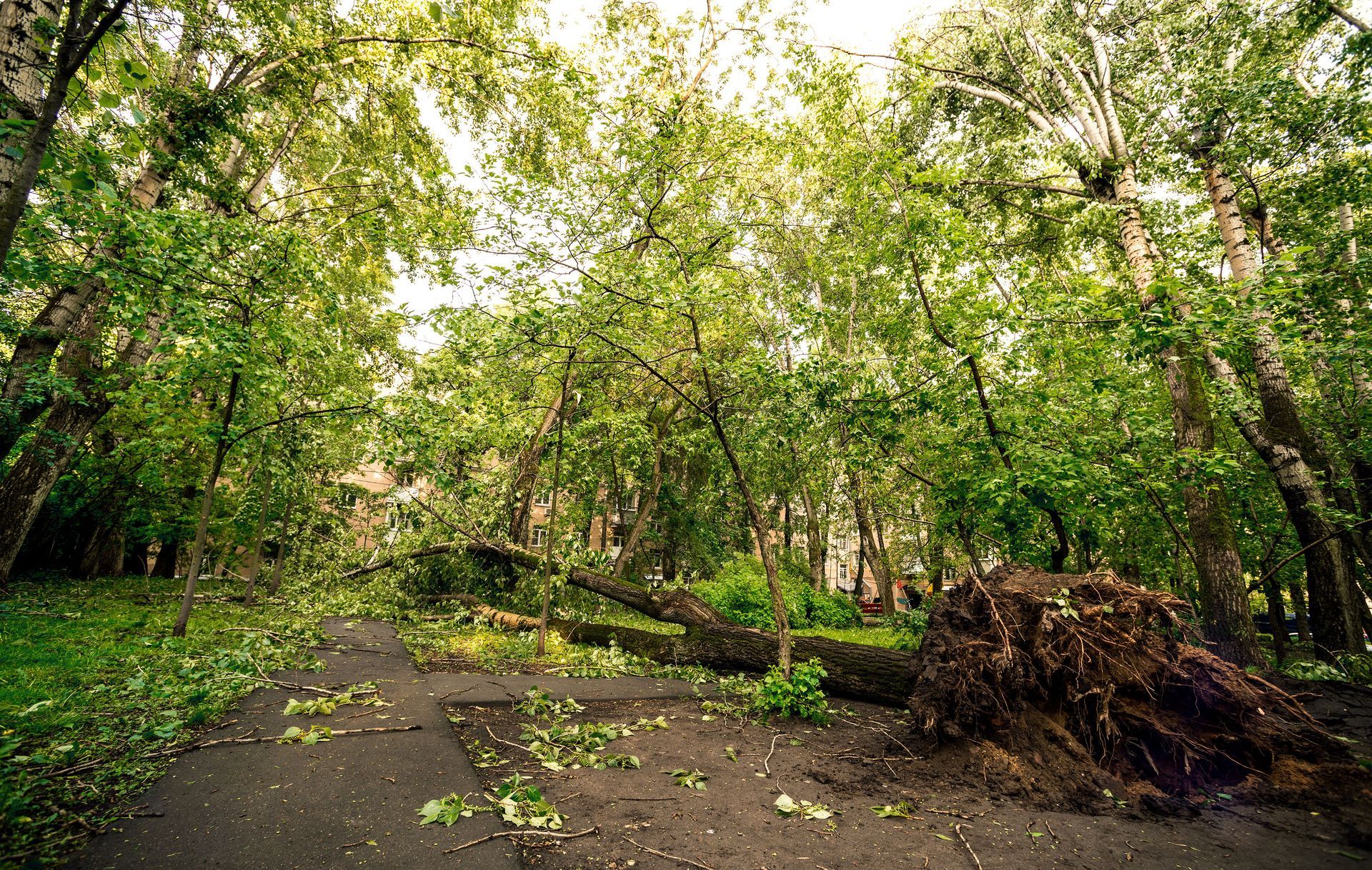
Complex pruning techniques require an understanding of growth patterns and structural balance. Crown thinning, raising, and reduction are specific methods that preserve plant health. Hacking branches without a plan causes excessive stress and stimulates weak, rapid regrowth. Incorrect pruning alters the wind resistance of the canopy, increasing the likelihood of uprooting during intense seasonal storms. Protecting the structural integrity of the roots demands precise cuts in optimal locations.
Size and proximity to structures serve as clear indicators for professional intervention. Any task requiring a ladder or involving branches near utility lines exceeds the scope of a weekend project. An established tree trimming company employs certified arborists who understand the complex geometry of falling timber. These experts calculate angles and weights to ensure a controlled descent. Attempting these massive projects without advanced training guarantees property destruction.
Recognizing personal limitations prevents property destruction and preserves human life. Evaluating a project requires brutal honesty about physical fitness and technical knowledge. A minor mistake at elevated heights holds irreversible consequences. Property owners must weigh their desire for independence against the catastrophic potential of a miscalculated cut or an equipment malfunction. Prioritizing human safety above personal pride remains the most rational approach to residential landscape management.
Arboreal maintenance demands respect for the immense forces and dangers involved. Prioritizing safety over budget preserves the structural integrity of the home and the well-being of the residents. Hiring trained experts eliminates the hazards associated with heavy machinery and unpredictable falling debris. Delegating complex canopy management to experienced professionals ensures a pristine landscape without the accompanying anxiety. Property owners achieve better results and absolute safety by choosing expert assistance. If you are ready to let professionals handle the heavy lifting, contact us at Elite Tree Service LLC today. We take pride in being a reliable tree trimming company that prioritizes your safety and protects your property.

Share On: