
Replanting Trees and Caring for Your Yard: Tips and Tricks From a Tree Trimmer
Cultivating a vibrant, healthy outdoor landscape requires ongoing dedication, strategic planning, and specialized arboricultural knowledge. Trees serve as the majestic anchors of residential properties, providing lush natural shade, vibrant seasonal color, improved local air quality, and elevated curb appeal. However, maintaining a thriving urban canopy involves much more than simply planting saplings and watering them occasionally. Landowners frequently encounter challenges such as compromised soil health, structural branch defects, invasive pest infestations, and improper planting techniques that undermine tree vitality. Overcoming these natural obstacles demands a comprehensive landscape management approach that combines thoughtful species selection, proper planting spacing, and routine structural maintenance.
Consulting seasoned arboricultural professionals offers invaluable clarity when managing your yard's natural ecosystem. Professional arborists understand the intricate biological needs of mature timber and young saplings, ensuring that every specimen receives appropriate hydration, nutritional support, and structural guidance. Taking a proactive approach to property care protects surrounding homes from falling limbs, prevents underground root damage to paved driveways, and maximizes the lifespan of your green spaces. Utilizing insights from a seasoned tree trimmer allows property owners to cultivate a lush, safe, and visually captivating yard that thrives through changing seasons while building lasting home value.
Selecting the Ideal Tree Species for Your Local Soil and Climate
Choosing the right tree species for your specific geographical environment is the foundational first step toward establishing a resilient landscape. Every tree species possesses unique requirements regarding soil composition, sunlight exposure, drainage patterns, and hardiness zone conditions. Planting a moisture-loving species in dry, sandy soil or placing a shade-tolerant sapling in blistering, direct sunlight creates continuous stress, leaving the specimen vulnerable to disease and premature decline.
Prior to purchasing new saplings, evaluate your property's soil structure, pH balance, and natural water retention. Native tree species typically thrive best because they have naturally adapted to local climate patterns, native soil compositions, and regional weather extremes over centuries. Seeking advice from an experienced tree trimmer during the selection phase ensures that you invest in healthy, resilient species that will flourish in your specific outdoor environment without requiring excessive artificial interventions.
Positioning Young Saplings to Prevent Future Property Damage
Determining proper planting locations for young trees requires careful consideration of mature canopy spread, trunk girth, and underground root expansion. A small sapling planted too close to a house, garage, utility line, or sidewalk can transform into a major structural hazard as it matures. Overcrowded trees compete fiercely for soil nutrients, moisture, and sunlight, resulting in weak branch architecture and stunted overall growth.
Spacing young trees appropriately protects surrounding hardscape elements from aggressive root pressure while allowing the canopy to develop a full, balanced shape. According to This Old House, to allow newly planted trees the space they need to grow, and to prevent damage, it's important to plant them at least 15 feet away from your home, sidewalk, driveway, and other trees. Following strategic spatial placement guidelines ensures that your newly planted specimens enjoy room to expand safely without threatening nearby residential structures.
Executing Proper Planting Protocols and Mulching Practices
Installing young trees correctly lays the groundwork for rapid root establishment and long-term structural stability. Digging a broad, shallow planting hole that is twice as wide as the root ball allows tender young roots to penetrate surrounding soil easily. Planting the tree too deeply suffocates root systems, while planting too shallow exposes delicate root bark to harsh environmental conditions. The root flare—where the trunk expands at the base—must sit flush with or slightly above the surrounding soil level.
After backfilling the hole with unamended native soil, applying a generous layer of organic mulch around the base insulates roots, retains soil moisture, and suppresses competing weeds. However, avoid piling mulch directly against the bark, as "mulch volcanoes" trap excess moisture against the trunk, encouraging rot and fungal infections. Relying on professional insights from a dedicated tree trimmer helps property owners master proper planting techniques, protecting young saplings from transplant shock and establishment failure.
Developing Strategic Watering Routines for Newly Planted Trees
Establishing a consistent, deep watering schedule is essential for encouraging newly planted trees to build extensive, deep-reaching root systems. Young saplings lack the deep taproots of mature trees, making them highly sensitive to prolonged dry spells and surface evaporation. Shallow, frequent watering encourages weak, surface-level root growth, whereas deep, infrequent soaking forces roots to grow downward into deeper soil layers where moisture remains stable.
Water young trees slowly at the drip line—the circular boundary below the outer canopy edges—allowing moisture to soak deep into the root zone. Adjust watering frequencies based on seasonal rainfall, temperature shifts, and natural soil drainage speeds. Partnering with a knowledgeable tree trimmer helps you establish a tailored seasonal hydration schedule, preventing both waterlogging root rot and severe drought stress throughout critical growing months.
Pruning Young Branches to Establish Strong Structural Architecture
Applying strategic structural pruning to young trees guides their growth patterns, establishing a strong central leader and well-spaced scaffold branches. Unpruned trees often develop competing co-dominant stems, narrow branch attachments, or rubbing limbs that create severe structural weaknesses as the trunk thickens. Removing weak, crossing, or dying branches early redirects energy into healthy growth centers, building a resilient canopy capable of withstanding heavy storm winds.
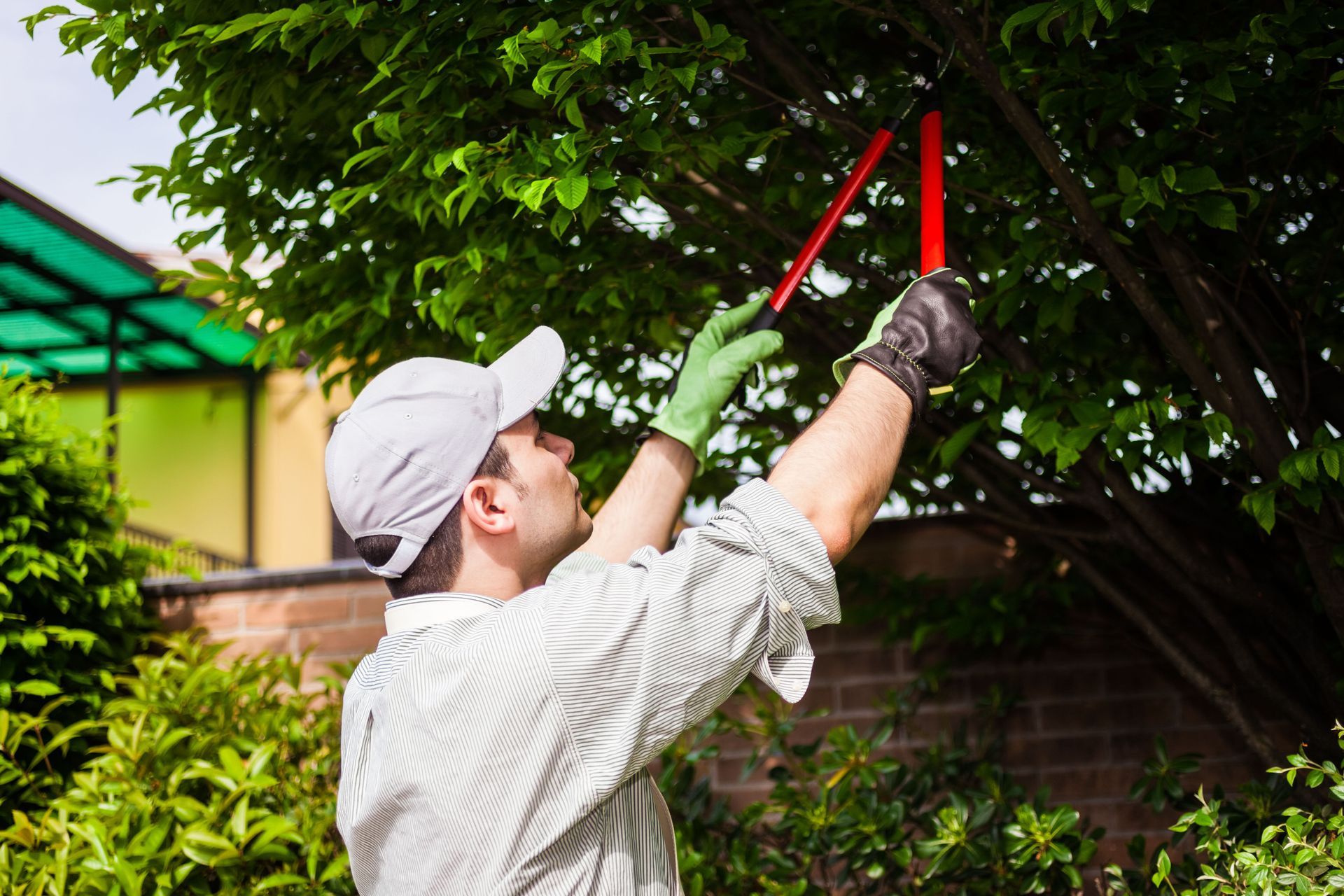
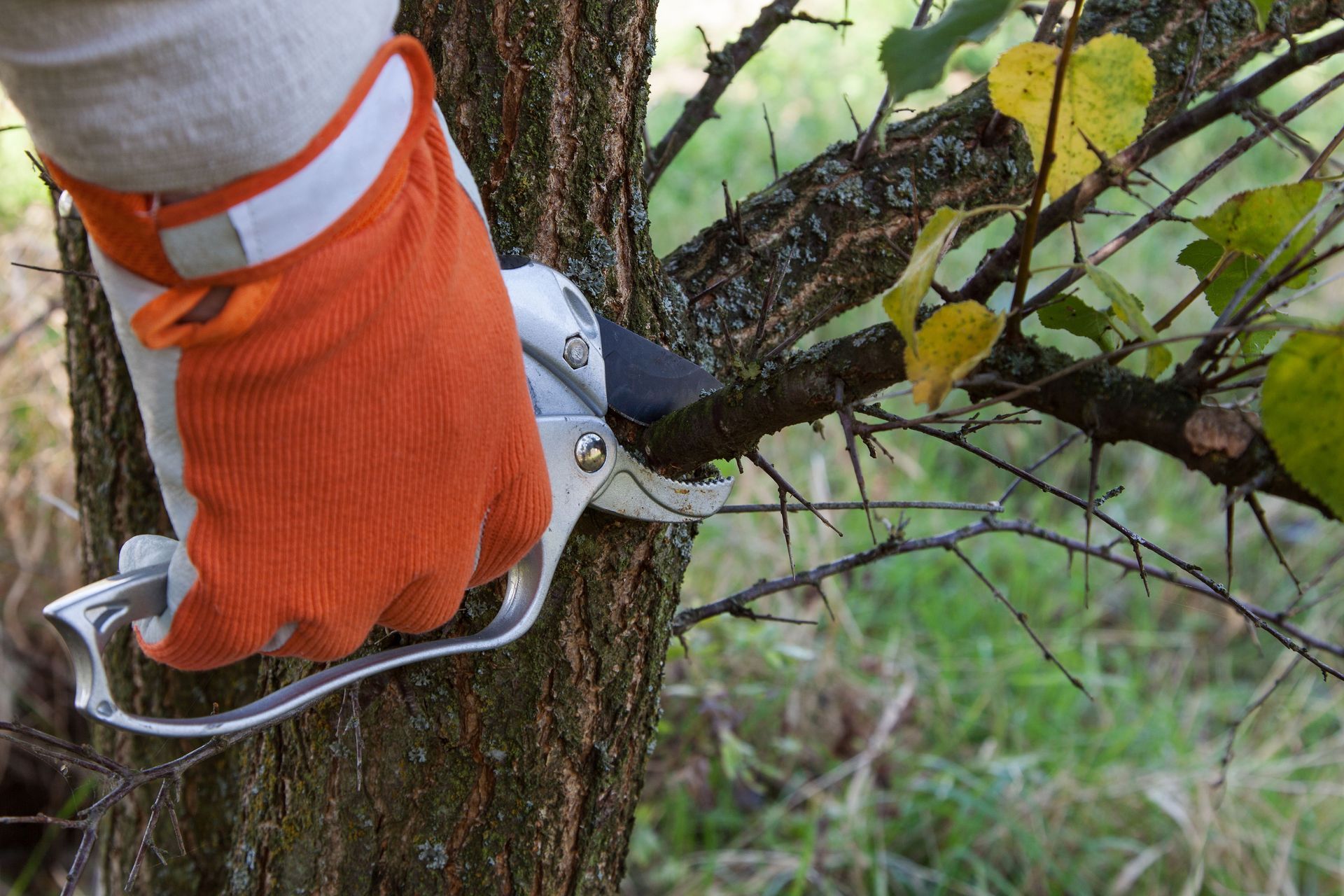
Seasonal pruning should always be executed with sharp, sterilized tools, making clean cuts just outside the branch collar to promote natural wound healing. Avoiding aggressive topping or over-pruned crowns preserves the tree's photosynthetic capacity while maintaining natural architectural beauty. Scheduling regular visits from a certified tree trimmer ensures that structural defects are identified and corrected early, preventing expensive canopy failures and safety risks in future years.
Monitoring Outdoor Spaces for Signs of Disease and Pest Infestation
Inspecting your landscape regularly for subtle indicators of insect infestations, fungal infections, or environmental stress is vital for preserving tree health. Pests like wood-boring beetles, aphids, and scale insects feed on leaf tissue and inner sap wood, weakening tree vitality and spreading harmful pathogens. Fungal diseases often manifest as discolored leaf spots, premature leaf drop, powdery white mildew, or soft, oozing bark lesions along the trunk.
Early detection allows for targeted arboricultural treatments, such as deep-root fertilization, organic insecticidal sprays, or selective limb removal, before infections spread across your entire yard. Maintaining clean ground beds by removing fallen diseased foliage prevents overwintering spores from re-infecting new spring growth. Engaging a vigilant tree trimmer to perform routine canopy inspections helps catch emerging health issues early, safeguarding your landscape investments and preserving mature tree health.
At Elite Tree Service LLC, we are deeply committed to elevating your landscape's natural beauty, protecting your property, and delivering exceptional arboricultural solutions through master field craftsmanship, state-of-the-art equipment, and dedicated customer care. Our team of certified arborists, experienced climbers, and property maintenance specialists brings deep biological knowledge, precision pruning tools, and meticulous attention to detail to every residential project we execute across our community. We take immense pride in evaluating your unique yard architecture, identifying hidden canopy defects, and delivering customized tree planting, structural pruning, health evaluations, and site clearing solutions that withstand severe weather. We carefully select professional rigging gear, sharp cutting instruments, and eco-friendly treatment methods that maximize operational safety, protect surrounding structures, and optimize overall tree longevity. By tailoring every arboricultural plan to match your specific landscape goals and property parameters, our crew ensures a seamless, stress-free experience that provides lasting natural beauty and complete peace of mind. Contact us today to schedule your comprehensive yard consultation and discover how our dedicated team can bring your landscape vision to life.

Share On: